New York City is often called the birthplace of modern graffiti, and for good reason. What began as an underground act of rebellion has evolved into one of the most influential visual movements in contemporary art. Today, street art in NYC exists in a dynamic tension between legality and risk, commerce and critique, preservation and disappearance.
This is the story of how street art shaped the city and how the city continues to shape street art.
The Origins: Graffiti and the Birth of a Movement
In the late 1960s and early 1970s, names like TAKI 183 began appearing across subway cars and city walls. What started as tagging, stylized signatures marking territory, quickly evolved into complex murals that transformed the entire subway system into a moving gallery.
By the 1980s, graffiti artists were pushing beyond letterforms into figurative, political, and abstract work. Artists like Keith Haring and Jean-Michel Basquiat bridged the divide between street and gallery, carrying the raw energy of downtown Manhattan into the fine art world.
This era cemented New York as the epicenter of a global movement.
The Rise of Street Art as Cultural Currency
Today, street art in NYC operates on multiple levels:
- Unsanctioned murals and wheatpaste posters
- Commissioned public art
- Brand collaborations
- Gallery exhibitions rooted in street culture
The once-criminalized practice now fuels tourism, advertising, and auction houses. Yet its power still lies in immediacy and accessibility: art for anyone walking down the block.
Neighborhoods like Bushwick in Brooklyn have become living canvases. The outdoor gallery known as The Bushwick Collective transformed warehouse walls into rotating murals by artists from around the world. What began as a grassroots project is now a major cultural destination.
Meanwhile, projects such as the Audubon Mural Project demonstrate how murals can serve environmental advocacy, blending beauty with activism in upper Manhattan.
Street Art and Social Commentary
Street art has always reflected the city’s social climate. From messages about housing inequality to racial justice to climate change, NYC walls often speak before institutions do.
During moments of political upheaval, murals become temporary monuments. They memorialize, protest, and question authority all without requiring an admission ticket.
This immediacy keeps street art relevant. It responds in real time.
From Concrete to Gallery Walls
While purists argue that street art loses authenticity inside white walls, many artists navigate both spaces fluidly.
The legacy of figures like Banksy, whose anonymous interventions have appeared across NYC, illustrates this tension. His work, often politically charged and sharply satirical, thrives in public space but also commands enormous sums in the art market.
New York galleries increasingly exhibit artists who began on the street, blurring distinctions between “high” and “low” art. What was once dismissed as vandalism is now studied in art history courses.
The Ephemeral Nature of the City Canvas
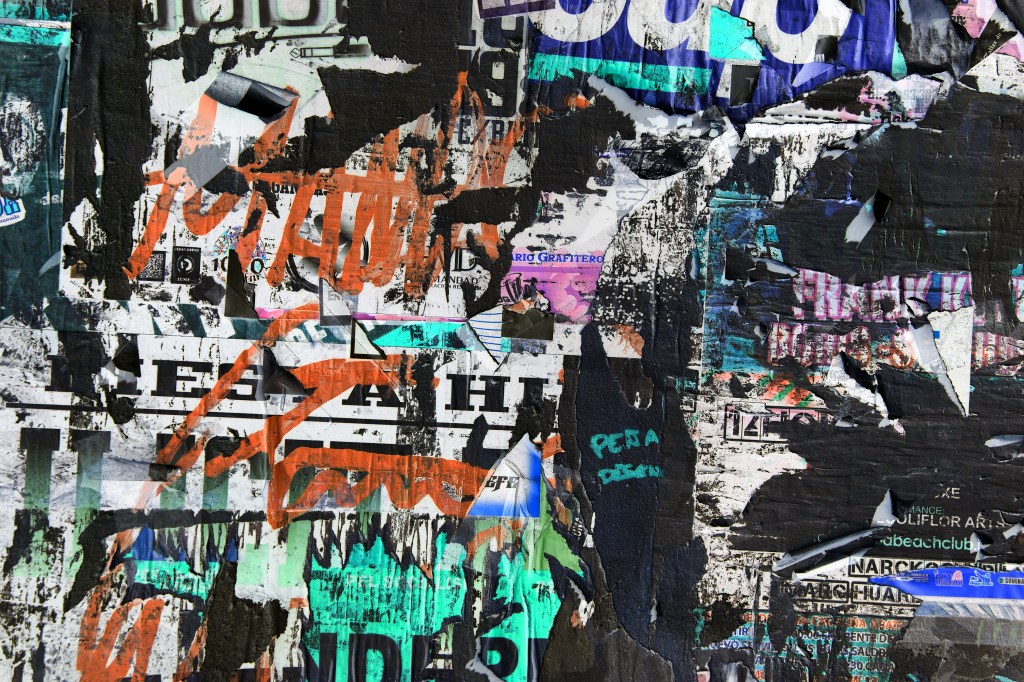
Unlike museum works, street art is rarely permanent. Buildings are demolished. Walls are painted over. Weather erodes pigment.
But this impermanence is part of the medium’s meaning.
In a city defined by reinvention, street art mirrors NYC’s constant state of flux. A mural seen today may be gone tomorrow, replaced by another artist, another voice, another statement.
This cycle of creation and erasure keeps the scene alive.
Why NYC Remains the Epicenter
Many cities boast vibrant street art scenes, but New York holds symbolic weight. It is:
- The birthplace of subway graffiti culture
- A crossroads of global artistic influence
- A marketplace where underground art can become mainstream
The city’s density, diversity, and velocity continue to fuel experimentation. Street art here is not merely decorative, it is dialogue.
Where to Experience NYC Street Art Now
For those looking to explore:
- Bushwick, Brooklyn – Large-scale murals and rotating works
- Lower East Side, Manhattan – Political wheatpaste and stencil art
- Harlem & Washington Heights – Community-driven mural projects
- Chelsea – Where street aesthetics intersect with commercial galleries
The best way to engage? Walk. Look up. Look around. And return often.
Final Thoughts
Street art in New York City is more than an aesthetic. It is a living archive of the city’s energy, struggles, humor, and ambition.
From the tags of the 1970s to internationally recognized mural projects today, NYC’s streets continue to function as an open-air laboratory for contemporary art.
And perhaps that’s the point: in a city that never stops moving, neither does the art.
 NYC Art Review
Leave a comment